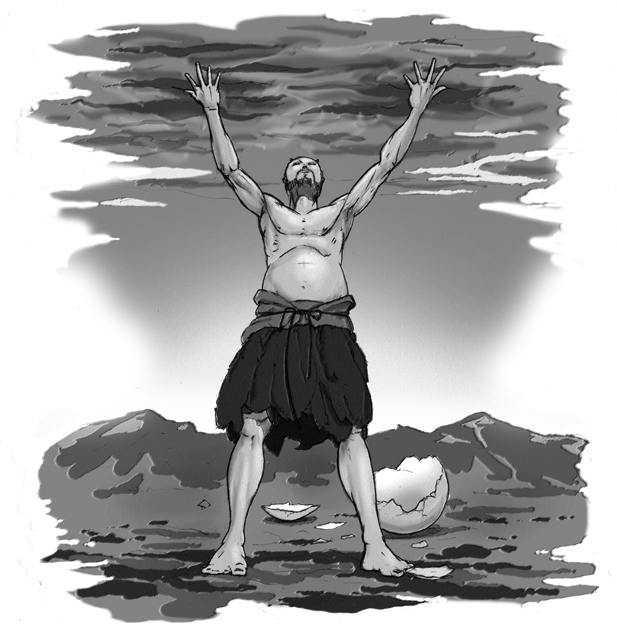
am sakiTxze muSaoba imitom gadavwyvite, rom mainteresebs es sfero, sxvadasxva xalxebis miTebi, maTi warmodgenebi qveynis Seqmnis Sesaxeb, msgavseba da gansxvaveba. Ees igive istoriaa sxvadasxva xalxis modgimsa. miTebi da legendebi aqtualuria romanebsa da filmebSi, romlebic aseve sainteresoa da did yuradRebas iwvevs CemSi. am proeqtze muSaobisas me ufro gaviRrmave codna am sakiTxTan dakavSirebiT, Cemi blogi sxva dainteresebul pirebsac daexmareba amaSi, Sevecade igi gamexada mravalferovani da bevrismomcveli.raTa mkiTxvelisTvis saintereso yofiliyo.
 მითიური დრო „საწყის“ და „სიზმრის“ დროს მოიცავს, რომელთაც საკუთარ ,,დროით ინტერვალებში” განხორციელებული „შესაქმის აქტები“ მიჯნავს: პირველი წმინდა კოსმოგონიურია, იგი წინარეკოსმოსურ (ქაოსურ) და კოსმოგენეზის პერიოდებს გულისხმობს. ეს ქაოსის მეუფებისა და შემდგომ მისი კოსმოსად გარდაქმნის ეპოქაა, შესაბამისად, – ყველაზე ადრეული, „საწყისი დრო“. „სიზმრის დრო“ (drem time) პირველყოფილ საზოგადოებებში ფართოდ გავრცელებული ტერმინია, განსაკუთრებული საკრალურ-პარადიგმული მითიური ეპოქის აღსანიშნავად. ავსტრალიელ აბორიგენთა ადგილობრივი ტერმინოლოგია, არანდაში – ალთირა, ალჩერა; ალურიჯაში – ჯუგური, კარაჯერში – ბუგარი, უნგარინებში – ლალაუ, უნგუდი, ვარრამუნგაში – ვინგარა, ბინბინგაში – მუნგამი, გუნვიგაში – ბუნამი და ა. შ (მელეტინსკი 1976:174; ლევი-ბრიული 1937:269), – ყველა შემთხვევაში „სიზმრის მდგომარეობისა“ და „მითიური დროის“ საერთო ნიშან-თვისებებზე მიუთითებს, რაც განსაკუთრებული სიცხადით მითოსური დრო-სივრცითი კატეგორიების ერთიან, განუცალკევებელ კონტექსტში ვლინდება.

„სიზმრის დროც“ შესაქმეების ეპოქაა, მაგრამ არაკოსმოგენეზის. აქ სამყარო იმთავითვე მოცემული, მუდმივყოფიერი „მზა“ კოსმიური პროდუქტია (ამიტომ „სიზმრის დროში“ არ დაისმის კითხვები სამყაროს წარმოშობის ირგვლივ). მითოლოგიური აზროვნების სპეციფიკა განაპირობებს იმ მოულოდნელ ქრონოლოგიას, რომლის მიხედვით, პირველყოფილი მითოლოგიები, სწორედ, „სიზმრის დროით“ იწყება, სადაც სამყარო უკვე შექმნილია. სწორედ აქ ჩანს ყველაზე ცხადად პლატონისეული „იდეის მარადისობა“, როცა „მიზეზი უსწრებს შედეგს“. სიზმრის დროის მზა კოსმოსი „შედეგია“, „მიზეზი“ კი მაშინ გამოჩნდება როცა მოცემული კოსმოსის „არაკოსმიური“ სუბსტანცია გაცნობიერდება და გენეზისში – „საწყისთან“, რომელიც „მიზეზია“, დაბრუნება გახდება აუცილებელი. „მითიური დრო“, „მითიური სივრცე“ და „საწყისთან დაბრუნება“.
წყარო http://semioticsjournal.wordpress.com/2010/08/11/ხათუნა-თავდგირიძე-_-„მითი/
ყოველი მითიური ისტორია, რომელიც რაღაცის საწყისს ასახავს, კოსმოგონიას გულისხმობს და მას აგრძელებს. სტრუქტურის თვალსაზრისით წარმოშობის მითები კოსმოგონიური მითების ჰომოლოგიურნი(შესაბამისი, შესატყვისი) არიან. რადგანაც სამყაროს შექმნა განსაკუთრებული შექმნაა, კოსმოგონია ყველა ტიპის „შექმნის“ სანიმუშო მოდელად იქცევა. ეს არ ნიშნავს იმას, რომ საწყისის, წარმოშობის მითი კოსმოგონიურ მითს ბაძავს ან მისი ასლია – ვინაიდან საქმე როდი ეხება წინასწარ გააზრებულ და სისტემატურ მსჯელობას, არამედ იმას, რომ ყოველივე ახლის გამოჩენა , ცხოველი იქნება ეს, მცენარე თუ ინსტიტუტი, რაღაც სამყაროს არსებობას გულისხმობს. მაშინაც კი როცა უნდა აიხსნას როგორ იქცა ესა თუ ის საგანი ერთი მდგომარეობიდან იმად, რასაც დღეს წარმოადგენს , „სამყარო“ უკვე იყო , თუმცა განსხვავებული სტრუქტურა ჰქონდა და ის ჯერ ჩვენი სამყარო არ იყო. წარმოშობის ყოველი მითი მოგვითხრობს და ამართლებს „ახალ სიტუაცია“. ახალს იმ გაგებით, რომ ეს სიტუაცია სამყაროს დასაბამიდანვე არ არსებობდა. წარმოშობის მითები აგრძელებენ და ავსებენ კოსმოლოგიურ მითს : ისინი მოგვითხრობენ როგორ შეიცვალა სამყარო, როგორ გამდიდრდა ან გაღარინდა იგი.
სწორედ ამ მიზეზის გამო, წარმოშობის ზოგიერთი მითი კოსმოგონიის ესკიზით იწყება. ტიბეტელი დინასტიებისა და დიდი ოჯახების ისტორია იწყება იმის გახსენებით თუ როგორ დაიბადა ერთი კვერცხიდან კოსმოსი. „დასაბამიერის 5 ელემენტის არსიდან გამოვიდა ერთი დიდი კვერცხი...ამ კვერცხის გულიდან 18 კვერცხი. ამ 18 კვერცხს გამოეყო შუა, ნიჟარის კვერცხი. ნიჟარის კვერცხს გამოება კიდურები, ხუთი სრულყოფილი გრძნობა გაუჩნდა და ისეთი არაჩვეულებრივი სილამაზის ჭაბუკად იქცა, აღთქმის დროს რომ არიან ხოლმე. ასეც შეარქვეს მეფე იე–სმონი. დედოფალს ჩუ–იშაგს, მის მეუღლეს, ჩაესახა ვაჟი დბან იდანი , რომელსაც უნარი შესწევდა მაგიის ძალით გარდაქმნილიყო“. გენეალოგია გრძელდება, რომელიც სხვადასხვა კლანების და დინასტიების საწყისსა და ისტორიას მოგვითხრობს.
ასევე იწყება პოლინეზიური გენიალოგიური სიმღერებიც. კუმულიპოს სახელით ცნობილი ჰავანური რიტუალური ტექსტი არის „გენეალოგიური ჰიმნი, რომელიც სამეფო გვარის საკუთრებაა და მას აკავშირებს ყველა იმ ხალხის ღმერთებთან, ვისაც თაყვანს სცემენ მონათესავე პოლონეზიური ჯგუფებიც; ცოცხალ სამყაროში დაბადებულ, სამეფო შტოდან გამოსულ და ღვთაებად ქცეულ ბელადებთან – აოებთან; ასევე მიწიერი ცხოვრების ყოველდღიურობაში სახმარ ციურ მნათობებთან , მცენარეებთან, ცხოველებთან...“ მართლაც, სიმღერა იწყება იმით, რომ იგი გამოიხმობს:
„დროს, როცა მიწა ძირფესვიანად შეიცვალა,
დროს, როცა ცა შეიცვალა,
დროს, როცა მზე ამოდიოდა,
რათა მთვარისათვის სინათლე მოეფინა...“ და ა.შ.
ამგვარ რიტუალურ, გენეალოგიურ სიმღერებს ქმნიან ბარდები და დედოფლის ორსულობის დროს და ისინი საზეპიროდ ჰულას მოცეკვავეებს გადაეცემა. მოცეკვავე ქალები და მამაკაცები ბავშვის დაბადებამდე განუწყვეტლივ ცეკვავენ და მღერიან, თითქოს მომავალი ბელადის ემბრიოლოგიურ განვითარებას თან ახლავდეს კოსმოგონიის, სამყაროს და ტომის ისტორიის გამეორება. ბელადის ჩასახვასთან დაკავშირებით სიმბოლურად “ხელმეორედ ქმნიან“ სამყაროს. გამეორება გახსენებაც არის და ცეკვა–სიმღერით იმ ძირითადი მითიური მოვლენების რიტუალური განამდვილებაც , რომლებიც შესაქმის დროიდან მოხდა.
ანალოგიურ რიტუალებს და კონცეფციებს ინდოეთის პირველყოფილ მოსახლეობაშიც ვხვდებით. სანტალებთან მაგ. გურუ კოსმოგონიურ მითს წყვება თითოეული ინდივიდისადმი, მაგრამ არა უმეტეს ორჯერ: პირველად „როცა აღიარებენ სანტალის საზოგადოებრივ სრულუფლებიანობას (...). ამ შემთხვევაში გურუ ყვება კაცობრიობის ისტორიას სამყაროს შექმნის დროიდან და თხრობას ამთავრებს იმ პიროვნების დაბადებით, ვისთვისაც რიტუალი სრულდება“. იგივე ცერემონია მეორდება დასაფლავების დროსაც, მაგრამ ამჯერად გურუს, რიტუალის შემწეობით, მიცვალებულის სული სხვა სამყაროში გადაჰყავს.
ბილებთან ვითარება ოდნავ განსხვავებულია. სამკურნალო მაგიური სიმღერებიდან მხოლოდ ერთს აქვს კოსმოგონიური მითის თვისება: ეს არის სენიორის სიმღერა. თუმცა ამ სიმღერების უმრავლესობა სინამდვილეში წარმოშობის მითებია. მაგ: „კაზუმორ დამორის“ სიმღერა, რომელიც ყველა სნეულებათა მოსარჩენად არის მიჩნეული, ცენტრალური ინდოეთის სამხრეთში გუჟერაელ ბილ დამორის ჯგუფის მიგრაციების შესახებ მოგვითხრობს, ამგვარად, ეს არის ჯგუფის ტერიტორიული დასახლების მითი , სხვა სიტყვებით, ახალი დაწყების ისტორია სამყაროს შექმნის ასლი. სხვა მაგიური სიმღერები სნეულებათა წარმომავლობას გვამცნობენ. ეს არის თავგადასავლებით აღსავსე მითები, საიდანაც ვიგებთ სნეულებათა გაჩენის გარემოებებს, მოვლენა, რომელმაც ფაქტიურად სამყაროს სტრუქტურა შეუცვალა.
მირჩა ელიადა – მითის ასპექტები
© ილია ჭავჭავაძის სეხელმწიფო უნივერსიტეტის გამომცემლობა თბილისი2009 .
"Therefore, even the lover of myth is in a sense a philosopher; for myth is composed of wonders."
_ Aristotle_
In common parlance, a myth is a fiction -- something which is untrue. Scholars of mythology define myth differently: a myth is a special kind of story which tries to interpret some aspect of the world around us. Robert W. Brockway, in his book Myth from the Ice Age to Mickey Mouse concisely summarizes a number of different scholarly ideas about the meaning of myth as follows:
A collective definition of myth composed of many theories might be framed by the following paraphrase:
Myths are stories, usually, about gods and other supernatural beings (Frye). They are often stories of origins, how the world and everything in it came to be in illo tempore (Eliade). They are usually strongly structured and and their meaning is only discerned by linguistic analysis (Lévi-Strauss). Sometimes they are public dreams which, like private dreams, emerge from the unconscious mind (Freud). Indeed, they often reveal the archetypes of the collective unconscious (Jung). They are symbolic and metaphorical (Cassirer). They orient people to the metaphysical dimension, explain the origins and nature of the cosmos, validate social issues, and, on the psychological plane, address themselves to the innermost depths of the psyche (Campbell). Some of them are explanatory, being prescientific attempts to interpret the natural world (Frazer). As such, they are usually functional and are the science of primitive peoples (Malinowski). Often, they are enacted in rituals (Hooke). Religious myths are sacred histories (Eliade), and distinguished from the profane (Durkheim). But, being semiotic expressions (Saussure), they are a "disease of language" (Müller). They are both individual and social in scope, but they are first and foremost stories (Kirk).
Myths are stories, usually, about gods and other supernatural beings (Frye). They are often stories of origins, how the world and everything in it came to be in illo tempore (Eliade). They are usually strongly structured and and their meaning is only discerned by linguistic analysis (Lévi-Strauss). Sometimes they are public dreams which, like private dreams, emerge from the unconscious mind (Freud). Indeed, they often reveal the archetypes of the collective unconscious (Jung). They are symbolic and metaphorical (Cassirer). They orient people to the metaphysical dimension, explain the origins and nature of the cosmos, validate social issues, and, on the psychological plane, address themselves to the innermost depths of the psyche (Campbell). Some of them are explanatory, being prescientific attempts to interpret the natural world (Frazer). As such, they are usually functional and are the science of primitive peoples (Malinowski). Often, they are enacted in rituals (Hooke). Religious myths are sacred histories (Eliade), and distinguished from the profane (Durkheim). But, being semiotic expressions (Saussure), they are a "disease of language" (Müller). They are both individual and social in scope, but they are first and foremost stories (Kirk).
The terms legend and folktale are sometimes used interchangeably with myth. Technically, however, these are not the same. How should we distinguish them? Donna Rosenberg, in her book Folklore, Myth, and Legends: A World Perspective, offers some useful guidelines:
A myth is a sacred story from the past. It may explain the origin of the universe and of life, or it may express its culture's moral values in human terms. Myths concern the powers who control the human world and the relationship between those powers and human beings. Although myths are religious in their origin and function, they may also be the earliest form of history, science, or philosophy...
A folktale is a story that, in its plot, is pure fiction and that has no particular location in either time or space. However, despite its elements of fantasy, a folktale is actually a symbolic way of presenting the different means by which human beings cope with the world in which they live. Folktales concern people -- either royalty or common folk -- or animals who speak and act like people...
A legend is a story from the past about a subject that was, or is believed to have been, historical. Legends concern people, places, and events. Usually, the subject is a saint, a king, a hero, a famous person, or a war. A legend is always associated with a particular place and a particular time in history.
A folktale is a story that, in its plot, is pure fiction and that has no particular location in either time or space. However, despite its elements of fantasy, a folktale is actually a symbolic way of presenting the different means by which human beings cope with the world in which they live. Folktales concern people -- either royalty or common folk -- or animals who speak and act like people...
A legend is a story from the past about a subject that was, or is believed to have been, historical. Legends concern people, places, and events. Usually, the subject is a saint, a king, a hero, a famous person, or a war. A legend is always associated with a particular place and a particular time in history.
http://www.pibburns.com/myth.htm
islandiuri miTosis pirvelkaci imiri.
jer mxolod RmerTebi iyvnen. iyo samyaros ufskruli, yinuliTa da WirxliT avsebuli. saidanRac SemoiWra am ufskrulSi haeris Tbili nakadi da daiwyo dnoba yinulma da Wirxlma, wveTi gacocxlda gamaTbobeli da cxovelmyofeli Zalisagan, miiRo adamianis saxe da warmoiSva imiri. vin kvebavda, vin zrdida mas? Ffuri audumla , romelic aseve Wirxlisgan warmoiSva. misi curidan oTxi rZis mdinare moedineboda da imirs kvebavda. imirs umtres RmerTebma, mokles igi da samyaros ufskrulSi Caagdes. misi xorcisgan Seiqmna miwa, misi Zvlebisgan – kldeebi, misi sisxlisgan – zRva da sxva wylebi (amitomac uwodeben islandielebi zRvas ,,imiris sisxls”), misi Tavisgan – ca (amitomac ewodeba cas “imiris Tavisqala”), misi kbilebisgan da Zvlebis namsxvrevebisgan – lodebi da qvebi, Tmebisgan – tyeebi, tvinisgan – Savi Rrublebi. imiris wamwamebisgan gaakeTes galavani, romelic icavs adamianTa samyofels maTi mteri bumberazebisgan.
Cinuri miTologiis pirvelkaci pan-gu.
D `didi xnis winad, uxsovar xanaSi, ca da miwa qaTmis kvercxiviT erTmaneTsi iyo aTqvefili. Kkvercxidan daibada pangu. kvercxis gulisagan miwa warmoiSva, cilisgan – ca. pangu, patara bavSvi, idga cisa da miwas Soris. izrdeboda pangu da mis zrdasTan erTad izrdeboda manZili miwasa da cas Soris. TandaTan Sordebodnen erTmaneTs ca da miwa. bolos Sewyvita zrda da ca metad aRar daSorebia dedamiwas da mokvda panguda waiqca pangu. pangu rom mokvda, pangus sunTqvisagan qari da Rrublebi warmoiSva.
misi xmisgan – quxili, marcxena Tvali mzed gadaiqca, marjvena Tvali – mTvared. misi kidurebi samyaros oTx mxared gadaiqca, misi sisxlisagan mdinareebi warmoiSva, misi ZarRvebisgan – gzebi, xorcisgan – miwis niadagi, Tavis Tmisgan – varskvlavebi, tanis Tmisgan – mcenareuloba, kanisagan – balaxi, Zvlebisgan – qvebi da kldebi, kbilebisgan – Zvirfasi liTonebi...
rogor dakles RmerTebma “didi kaci” samyaros Sesaqmnelad.
msoflios sxvadasxva xalxebis miTologiaSi cnobilia samyaros kosmologiuri miTosi, romelic mogviTxrobs, Tu rogor dakles RmerTebma “didi kaci”, raTa misi sxeulis nawilebisgan samyaro SeeqmnaT. Aaმ miTologiuri warmodgenis mixedviT, samyaro msxverplSewirvis Sedegad Seiqmna. es miTosi imasac gvamcnobs, rom arsebobs msgavseba an analogia adamiansa da samyaros Soris: adamiani mcire samyaroa, rolo samyaro didi adamiania. Aamgvar miToss icnoben erTmaneTisgan gansxvavebuli kulturisa da civilizaciis xalxebi, rogorebic arian: aziaSi indoelebi da Cinelebi, evropaSi Zveli skandinavielebi. gavecnoT am miTosebs.
induri miTosis pirvelkaci puruSa.
puruSa iyo pirvelkaci. vin Soba igi, vin Seqmna, rogor daibada, vin iyo misi gamCeni – ucnobia. Aan ra daaSava man iseTi, rom RmerTebma ganizraxes misi dakvla – arc amazea pasuxi. puruSas msxverplSewirvis miTosi himnis saxiT aris gadmocemuli indoelTa ZvelisZvel religiur wignSi “rigvedaSi”. puruSa iyo aTasTaviani, aTasTvala, aTasfexa bumberazi adamiani, romelic faravda mTel dedamiwas da cas. roca RmerTebma samyaros Seqmna gadawyvites, maT puruSa daabes , rogorc samsxverplo pirutyvs abamen da dakles msxverplad. Aam msxverplidan warmoiSva himnebi da sagaloblebi, musikaluri hangebi ; warmoiSvnen cxenebi da cxovelebi, romelTac kbilebi or rigad aqvT Camwkrivebuli. misgan warmoiSvnen xarebi, Txebi da cxvrebi. roca puruSa dakles, is daanawiles aso-aso da misi asoebisgan samyaros sxvadasxva nawilebi Seiqmna: sulisgan – mTvare, Tvalisgan – mze, bageTagan – RmerTebi indra da agni, misi sunTqvisgan – qari, Wipisgan – atmosfero, Tavisgan – ca, fexebisgan - miwa, yurebisgan – qveynis mxareebi. ase moawyves RmerTebma samyaro.
samyaros Seqmnis gasaxseneblad indoelebs amgvari rituali hqondaT dawesebuli. im dRes, roca maTi warmodgeniT RmerTebma msxverplad Seswires peruSa – didi kaci, klavdnen samsxverplo cxens, cxeni peruSas Semcvleli iyo. dakluli cxenis nawilebi samyaros nawilebs ganasaxierebda: cxenis Tavi ciskari iyo, Tvali – mze, mkerdi – weliwadi, xerxemali – ca, muceli – haeris sivrce, Cliqebi – miwa, ferdebi – qveynis mxareebi, wina nawili – amomavali mze, ukana nawili – Camavali mze.

Cveulebriv saubarSi ,,miTs” daujerebel ambavze ityvian. Aam mniSvnelobiT miTs zraparTan aigiveben. ,,es xom miTia,zRaparia”, vityviT xolme, magram didi gansxvavebaa miTsa da zRapars Soris. maTi erTmaneTSi aRreva ar aris swori. vidre am gansxvavebebze vityodeT rames, gavarkvioT miTis mniSvneloba. ras niSnavs es sityva miTi? miTi, ufro zustad m i T o s, berZnuli sityvaa da mas bevri mniSvneloba aqvs. miTos niSnavs sityvas, naTqvams, gamonaTqvams; ambavs. miTosi iseTi ambavia, romelic mogviTxrobs RmerTebis saqmianobis Sesaxeb kacobriobis winaistoriul xanaSi. rogor Seqmnes RmerTebma es samyaro, rogor Seiqmna an gaCnda esa Tu is sagani Tu movlena samyaroSi, rogor da ratom Seqmnes RmerTebma adamiani – es yvelaferi miTosis Temaa. miTosSi RmerTebTan erTad adamianebic monawileoben. RmerTebis Seqmnialia es samyaro Tavisi kanonebiT, magram RmerTebi adamianebs utoveben samoqmedo asparezs. gamorCeuli adamianebi qmnian aucilebel sagnebs adamianuri cxovrebisTvis da adgenen aucilebel wesebs urTierTobisTvis. esec miTosis sagania. miTosi mogviTxrobs sagnebisa Tu movlenebis pirvelad Seqmnis, mopovebisa Tu SemoReba-gamoyenebis Sesaxeb. Rogorc vTqviT, xSirad aigiveben erTmaneTTan miTossa da zRapars. Ra aris zRapari? Titoeul Tqvengan waukiTxavs zRaprebi da albaT dResac kiTxulobs maT. Tu dakvirvebixarT, arc zRapris mTqmeli da arc msmeneli ar Tvlian zRapars namdvilad momxdar ambad. ,,iyo da ara iyo ra” ase iwyeba Cveulebrivi zRaprebi, ara mxolod qarTuli zRaprebi, aramed msoflios bevri xalxis zRapari. es fraza gveubneba, rom zRapris Sinaarsi moTxrobilia, rogorc momxdari ambavi, magram is arasdros momxdara. zRapari tyuilia, es icis yvelam – mTxrobelmac da msmenelmac. Tu dakvirvebixar, zRapris ambavi arasodes xdeba erT romelime konkretul qveyanaSi da romelime konkretul droSi. ,,erT dros, erT qveyanaSi iyo erTi xelmwife...” ase iwyeba zRapari. zRaparSi arc qveyanaa gansazRvruli es arc saqarTveloa, arc ruseTi, ar germania, arc romelime sxva qveyana. Arc droa gansazRvruli, ambavi arc erT saukuneSi ar xdeba, arc uZveles droSi, arc Zvelad, arc axla, aramed ganusazRvrel droSi, romelic ar aris damokidebuli Cvens droze.arc xelmwifea gansazRvruli, mas ar aqvs saxeli, arc vinaoba. xolo miTosis ambavi xdeba gansazRvrul qveyanaSi – Tu miTosi berZnulia, elinuri, ambavic saberZneTSi, eladaSi xdeba ama da am mefis dros da moqmed pirebsac berZnuli saxelebi aqvT. Tu miTosi iranulia, moqmedebis asparezic irania da moqmedi pirebic iranelebi arian. asea yvela sxva xalxis miTologiaSic. Ra droSi xdeba miTosis ambavi? Ees dro kacobriobis istoriamdeli droa, Cveni Tanamedroveobis winarewarsulia. kidev erTi niSani. zRaparSi moTxrobil ambis kvals Cven ver vxedavT da verc davinaxavT Cvens sinamdvileSi, Cvens garSemo. miTosis kvali ki Cvens yoveldRiurobaSia, Tu miTosSi moTxrobilia cecxlis aRmoCenaze, Tu rogor aRmoaCina adamianma cecxli da rogor iswavla misi gamoyeneba, amis Sedegi aqvea – Cvens yofaSi, Cven kval da kval vanTebT cecxls. miTosSi iseTi ambavia moTxrobili, romlis Sedegs TvalsaCinod xedavs adamiani. Tu miTosi mogviTxrobs pirveli wyvilis, qal-vaJis, daqorwinebis ambavs, es ambavi sarwmunoa, radgan es pirveli qorwineba grZeldeba dRes: dRemde qorwindebian qal-vaJni. Tu miTosi mogviTxrobs romelime mdinarisa Tu tbis gaCenis ambavs, msmenelisaTvis is damajerebelia, rac unda fantastiuri unda iyos igi. Mdinarisa Tu tbis miTosis damajereblobas adasturebs Tavad mdinare Tu tba, romelic ager, adamianis Tvalwinaa. maTi arseboba damajerebels xdis miTosSi moTxrobil ambavs.
Aai, am azriT miTosi sarwmunoa. miTosis Sinaarsi utyuari da sarwmuno iyo Zvel sazogadoebaSi. zRapari Tavidanve moklebuli iyo am utyuarobas da damajereblobas.
roca miTebs da miTologias vaxsenebT, Cveulebriv, elinuri anu berZnuli samyaro gagvaxsendeba xolme. vis ar gaugia Zveli berZeni gmiris herakles sagmiro Tavgadasavali, misi Tormeti gmiroba – Tormeti miTosi; an titan promeTes Rvawli kacobriobis sasikeTod cecxlis mopoveba; an oidipos mefis tragikuli ambavi... orfevsi da evridike, Tesevsi, persevsi, hefesto, afrodite, aresi,dionise miTologiis personaJTagan, romlebis didi xania, rac mSobliuri saxelebia yoveli ganaTlebuli adamianisTvis. maT gareSe Zalze Raribad gamoCndeboda is kultura da civilizacia, romelsac Cven, qarTvelebi, vekuTvniT. es saxelebi yofila Stamagonebeli poetebisa da mxatvrebisa, moqandakeebisa da musikosTaTvis. maT saxelebs SevxvdebiT Zvelsa da axal mwerlobaSi, poeziaS, saxviT xelovnebaSi. Zalze mdidari, mravalferovani, uaRresad mimzidveli dawarmtacia elinuri miTologia. Tavisi mniSvnelovnebis gamo evropulma kulturam mas klasikuri miTologiis saxeli arguna, magram igi ar amowuravs msoflio miTologiur samyaros. Ar arsebula dedamiwis zurgze xalxi, romelsac ar hqondes miTologia. Tu arsebobs ena, arsebobs miTebic. Bevri qveynis miTebi gvanan erTmaneTs, magram maT Soris aris gansxvavebebic. erTi da igive ambavi SeiZleba sxvadasxvagvarad iqnas gadmocemuli. Cven amaSi davrwmundebiT, roca gavecobiT Zveli SuamdinareTis, egviptis da sxva qveynebis miTologiebs.
dagebadebaT kiTxva: qristianoba gvaswavlis,rom RmerTi erTia da is aris samyaros erTaderTi Semoqmedi. maS, saidan gaCnda mravali RmerTis rwmena, romlebic miTologiur gadmocemebSi moqmedeben rogorc saganTa Tu movlenaTa Semqmnelni? Aam kiTxvaze martivad ase SeiZleba vupasuxoT: akrZaluli nayofis RamiT adamma mxolod samoTxe ki ar dakarga, aramed RmerTis codnac. gaixseneT, rogor daemalnen adami da eva RmerTs xeebs Soris. samoTxidan gaZevebulma adamma Zebna dauwyo mas yvelgan – yvela sagansa Tu movlenaSi, mcenaresa Tu cxovelSi da yovel maTganSi aRmoaCina igi da Tayvani dauwyo. Tumca adamis modgmaSi iyvnen iseTi adamianebic, romelTac hqondaT erTi WeSmariti RmerTis rwmena da Semecneba.
gamomcemloba “logos presi”
avtorebi ©zurab kiknaZe, nana tonia 2001წ.

ყველაზე გავრცელებულია ძველი საბერძნეთის, ეგვიპტის, ინდოეთის მითები. მითოლოგიამ საუკუნეების განმავლობაში ასაზრდოვა ლიტერატურა, ხელოვნება, ფილოსოფია, ენები, ასაზრდოვებს დღესაც. მითი განუყოფელი ნაწილია ყოველი რელიგიისა, მათ აქვთ შეხვედრები, ორივესთვის დამახასიათებელია რწმენა ზებუნებრივი ძალებისა.